
Contact Lenses
Comfort, clarity and care in every lens.
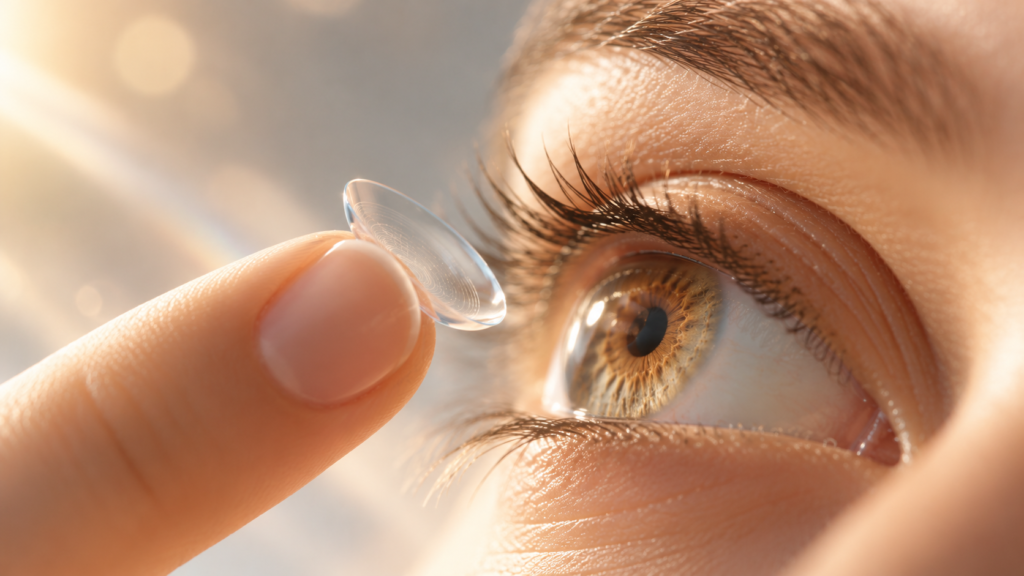
Contact lenses are a personal choice, and finding the right fit goes beyond your prescription. At The Monocle, we take a hands-on approach to make sure your lenses are comfortable, move naturally, and support the long-term health of your eyes.
Your exam includes corneal measurements, tear film evaluation, and a review of every lens option. We offer daily soft lenses, toric, multifocal, ortho-k, and scleral lenses, helping you find the perfect match for your vision and lifestyle. First-time wearers receive follow-up care to make sure everything feels right.
See clearly and comfortably every day. Book your contact lens exam and discover lenses made just for you.
What to expect in
your contact lens exam
A contact lens prescription is different from a glasses prescription. Simply knowing your glasses’ power isn’t enough to guarantee a safe, comfortable fit. During your exam, we:
- Assess your vision needs and lifestyle requirements
- Take detailed corneal measurements using Topcon MYAH corneal topography
- Evaluate tear film and eye health to ensure proper lens wear
- Fit diagnostic lenses and confirm comfort and movement on your eyes
For first-time wearers, a follow-up appointment about a week later allows us to adjust the fit and confirm everything feels right
Types of contact lenses we offer
Finding the right contact lens is about more than a prescription. It’s about comfort, vision quality, and how your lenses fit into your daily life.
The Monocle offers a wide range of contact lenses to meet every eye shape, prescription, and lifestyle. Each lens is carefully selected and fitted to support clarity, comfort, and eye health.
Soft Lenses
Designed for everyday wear, soft lenses offer comfort and convenience for a wide range of prescriptions. They are easy to adapt to, allow natural eye movement, and can be worn daily or replaced on a schedule that fits your lifestyle.
Toric Lenses
Toric lenses are made for people with astigmatism. They correct the cornea’s uneven curvature and provide sharper vision with stable lens positioning throughout the day.
Multifocal Lenses
Multifocal lenses help people with presbyopia see clearly at all distances. By combining multiple prescriptions in a single lens, they reduce the need for reading glasses while supporting comfortable near and far vision.
Optical Biometry + Corneal Topography
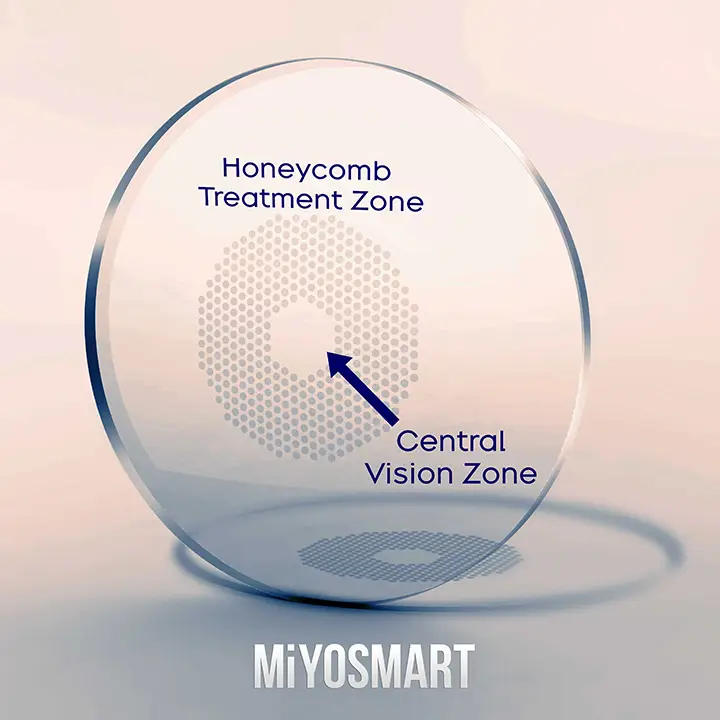
Ortho-k lenses are worn overnight to gently reshape the cornea. They provide clear vision during the day without the need for glasses or contact lenses. This option is ideal for people who want freedom from daytime lenses or for myopia management in children.
Scleral Lenses
Scleral lenses are larger and vault over the cornea, resting on the white of the eye. They are ideal for irregular corneas, keratoconus, or challenging prescriptions. These lenses offer excellent comfort and sharp vision when standard lenses are not suitable.
Monovision Lenses
Monovision lenses correct one eye for distance and the other for near vision. This solution can reduce the need for reading glasses and help many patients see clearly at all distances.
Specialty contact lenses for unique needs
Some patients require custom or hard-to-fit lenses. We offer specialty lenses designed for unique vision challenges:
- challenges we address
- Irregular corneas
- High prescriptions
- Complex astigmatism
- Eye conditions that standard lenses cannot address
Dr. Zaiffdeen and the team help ensure these lenses fit properly, move correctly, and maintain healthy circulation, helping prevent irritation and long-term complications.
Hygiene, care and safety
Wearing contact lenses safely is just as important as finding the right fit.
- We guide patients on:
- Cleaning and storing lenses properly
- Following replacement schedules
- Minimizing risks of infection or irritation
- Recognizing signs of discomfort or complications
Proper care helps keep your eyes healthy and your lenses comfortable for daily wear.